
The way people search for information online has changed dramatically over the last few years. Not long ago, almost every online search started with Google, and users clicked through websites to find the information they needed. Today, people also ask questions through voice assistants, AI-powered search tools, and chat platforms like ChatGPT, Google Gemini, Microsoft Copilot, and Perplexity.
Instead of scrolling through pages of search results, many users now expect a direct answer within seconds.
This shift has introduced three important digital marketing strategies that every business should understand:
- SEO (Search Engine Optimization) helps your website rank higher in traditional search engines like Google and Bing.
- AEO (Answer Engine Optimization) helps your content become the direct answer shown in featured snippets, voice search, and answer boxes.
- GEO (Generative Engine Optimization) helps your business appear in AI-generated responses and summaries created by generative AI platforms.
Many business owners wonder whether SEO is becoming outdated because AI search is growing so quickly. The truth is that SEO is still essential, but it now works alongside AEO and GEO rather than standing alone.
At Pixel This Marketing, we regularly help businesses improve their online visibility, and one of the most common questions we hear is:
“Should we focus on SEO, AEO, or GEO?”
The answer isn’t choosing one over the others. The businesses seeing the best results today are building strategies that combine all three.
In this guide, you’ll learn exactly what SEO, AEO, and GEO are, how they differ, why they matter, and how they work together to help businesses reach more customers.
Understanding SEO (Search Engine Optimization)
Search Engine Optimization, commonly called SEO, is the process of improving a website so it appears higher in search engine results when people search for products, services, or information.
For example, if someone searches:
- Best digital marketing agency
- Website design company near me
- Local SEO services
- PPC management company
Google scans billions of webpages and decides which pages deserve to appear first.
SEO helps search engines understand your website and determine whether it provides valuable information that deserves a higher ranking.
Although search engines constantly update their algorithms, the goal of SEO remains the same:
Help search engines trust your website while helping visitors find useful information.
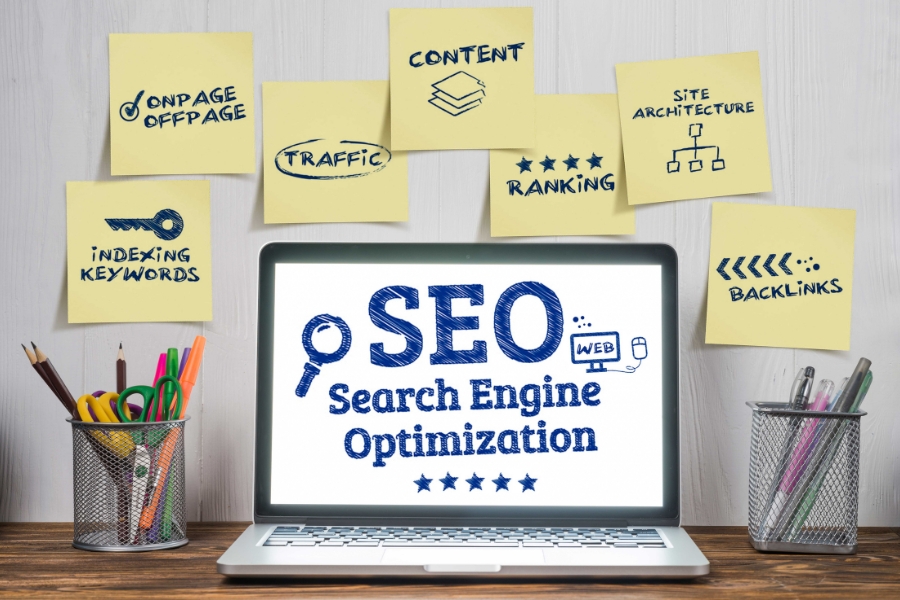
Key Parts of SEO
On-Page SEO
On-page SEO focuses on optimizing the content users see on your website.
This includes:
- Keyword optimization
- Page titles
- Meta descriptions
- Headings
- Internal linking
- Image optimization
- Helpful content
- URL structure
Every page should clearly explain its topic while naturally using relevant keywords without overstuffing them.
Technical SEO
Technical SEO improves the website behind the scenes.
It includes:
- Fast loading speeds
- Mobile-friendly design
- Secure HTTPS connection
- XML sitemaps
- Crawlability
- Proper indexing
- Fixing broken links
A technically healthy website is easier for search engines to crawl and index.
Off-Page SEO
Off-page SEO focuses on building your website’s authority.
This often involves:
- Quality backlinks
- Brand mentions
- Online citations
- Guest blogging
- Digital PR
When trusted websites reference your content, search engines see your business as more credible.
Local SEO
For businesses serving specific locations, Local SEO is especially important.
It includes:
- Google Business Profile optimization
- Local keywords
- Customer reviews
- Location pages
- Local citations
- Maps visibility
Local SEO helps nearby customers discover your business when searching for services in their area.
What Is AEO (Answer Engine Optimization)?
Answer Engine Optimization, or AEO, focuses on helping your content become the exact answer search engines display instead of simply another search result.
Modern search engines increasingly provide answers directly on the search page.
Examples include:
- Featured snippets
- People Also Ask boxes
- Voice assistant responses
- AI summaries
- Knowledge panels
Rather than clicking multiple websites, users often get their answer immediately.
For businesses, this creates a new opportunity.
If your content provides the clearest and most accurate answer, search engines may choose your information instead of someone else’s.
Why AEO Is Becoming More Important
People are changing how they search.
Instead of typing:
SEO company
they now ask:
- What does an SEO company do?
- How much does SEO cost?
- Which SEO strategy works best for small businesses?
Searches are becoming longer, more conversational, and more question-based.
AEO helps businesses answer these questions directly.
How to Optimize for AEO
Effective AEO content usually includes:
Direct answers first
Answer the main question within the first paragraph.
Clear headings
Use headings that match how real people ask questions.
Short paragraphs
Large walls of text are difficult for both readers and search engines.
Bullet points
Lists are easier to understand and often appear in featured snippets.
Tables
Comparison tables frequently appear in search results.
FAQ sections
Frequently Asked Questions help answer related searches while improving page structure.
Conversational writing
Content should sound natural instead of being overloaded with marketing language.
What Is GEO (Generative Engine Optimization)?
Generative Engine Optimization (GEO) is the newest development in digital marketing.
Instead of optimizing only for Google rankings, GEO helps businesses become part of AI-generated responses.
When someone asks:
- What is the best website design agency?
- Recommend a digital marketing company.
- Which SEO strategies work in 2026?
AI tools don’t simply list websites.
Instead, they gather information from multiple trusted sources and generate one complete answer.
The businesses mentioned in those AI-generated responses often gain visibility even if users never perform a traditional Google search.
That is exactly what GEO aims to achieve.
How AI Search Works
Generative AI platforms analyze information from many sources.
They consider factors such as:
- Website authority
- Content quality
- Factual accuracy
- Reputation
- Business consistency
- Clear explanations
- Helpful formatting
Unlike traditional rankings, GEO focuses on whether AI systems trust your information enough to reference it.
Why GEO Matters
AI search continues to grow every month.
Millions of users now rely on AI assistants to:
- Compare businesses
- Research products
- Find service providers
- Learn new topics
- Make purchasing decisions
If your business is never mentioned in AI-generated answers, you’re missing an important source of visibility.
SEO vs AEO vs GEO: What’s the Difference?
Although they share similarities, each strategy has a different purpose.
| SEO | AEO | GEO |
|---|---|---|
| Improves rankings in Google and Bing | Helps content become direct answers | Helps businesses appear in AI-generated responses |
| Focuses on keywords and rankings | Focuses on questions and answers | Focuses on AI trust and authority |
| Generates website traffic | Generates answer visibility | Generates AI mentions |
| Uses backlinks and technical SEO | Uses structured content | Uses trusted, accurate information |
| Optimizes webpages | Optimizes answers | Optimizes AI understanding |
Rather than replacing one another, these strategies complement each other.
Why Businesses Need All Three
Many businesses still invest only in traditional SEO.
While SEO remains incredibly important, relying on it alone means missing opportunities where customers now search.
Today’s customer might:
- Ask ChatGPT for recommendations.
- Search Google.
- Read an AI Overview.
- Ask Siri.
- Compare reviews.
- Visit your website.
Your business should be visible at every step.
That’s where combining SEO, AEO, and GEO becomes valuable.
How Search Has Changed
Search behavior today looks very different than it did just a few years ago.
Previously:
Search → Website → Purchase
Now it often looks like this:
AI Assistant → Google Search → Reviews → Website → Purchase
Or:
Voice Search → Featured Snippet → Website
Or even:
ChatGPT → Business Recommendation → Contact Form
Businesses must now optimize for multiple discovery channels instead of relying on one search engine alone.
Best Practices for SEO, AEO, and GEO
If you’re creating new content or improving existing pages, follow these best practices:
- Write for people before search engines.
- Answer questions clearly.
- Use descriptive headings.
- Keep paragraphs short.
- Add FAQ sections.
- Improve page speed.
- Optimize for mobile devices.
- Build quality backlinks.
- Publish original content.
- Update outdated information.
- Add internal links.
- Maintain consistent business information across the web.
These improvements benefit all three strategies at the same time.
Common Mistakes Businesses Make
Many websites struggle because they:
- Focus only on keywords instead of user intent.
- Publish thin or repetitive content.
- Ignore technical SEO.
- Skip structured headings.
- Fail to answer common customer questions.
- Leave outdated information online.
- Have inconsistent business details across directories.
- Create content only for rankings instead of helping readers.
Avoiding these mistakes can improve your visibility across search engines and AI platforms alike.
How SEO, AEO, and GEO Work Together
Think of these strategies as parts of one complete system.
SEO builds the foundation.
It helps search engines discover, crawl, and rank your website.
AEO improves communication.
It organizes your content so search engines can easily extract direct answers.
GEO expands your visibility.
It helps AI systems recognize your expertise and reference your business in generated responses.
When all three work together, your business becomes easier to find whether someone is searching on Google, using voice search, or asking an AI assistant.
The Future of Digital Marketing
Artificial intelligence is changing digital marketing, but it isn’t replacing traditional search.
Instead, businesses now need content that works across multiple platforms.
Successful websites will focus on:
- Helpful content
- Real expertise
- Clear answers
- Strong technical SEO
- User experience
- Trustworthy information
- Regular updates
These are qualities that both search engines and AI systems reward.
The businesses that adapt now will be better positioned for the future as online search continues to evolve.
Conclusion
SEO, AEO, and GEO each play an important role in helping businesses grow their online presence. SEO helps your website rank in traditional search results, AEO improves your chances of becoming the direct answer to customer questions, and GEO increases your visibility within AI-generated responses from platforms like ChatGPT, Gemini, Copilot, and Perplexity.
Rather than choosing one strategy over another, the most successful businesses combine all three to create a strong, future-ready digital marketing approach. By producing helpful, accurate, and well-structured content, you can reach customers no matter how they search—whether they’re using Google, voice assistants, or AI-powered search tools.
If you’re unsure how your current website performs across SEO, AEO, and GEO, Pixel This Marketing is here to help. Our team can review your website, identify opportunities for improvement, and develop a strategy that increases your visibility across both traditional search engines and the latest AI platforms. Contact us today to learn how we can help your business stay ahead in the evolving world of digital marketing.
Frequently Asked Questions
1. Is SEO still important now that AI search is growing?
Yes. SEO remains the foundation of online visibility. AI platforms often rely on trusted, well-optimized websites when generating answers, making strong SEO essential even as AI search becomes more common.
2. Can a small business benefit from AEO and GEO?
Absolutely. Small businesses can compete effectively by creating helpful, well-organized content that answers customer questions clearly. AI and answer engines prioritize relevance and quality, not just brand size.
3. How long does it take to see results from SEO, AEO, and GEO?
The timeline varies depending on your website, industry, and competition. SEO improvements often take several months, while AEO and GEO gains may appear sooner as your content becomes easier for search engines and AI platforms to understand.
4. What’s the best way to start optimizing for SEO, AEO, and GEO?
Start by reviewing your most important pages. Ensure they answer customer questions clearly, use descriptive headings, load quickly, work well on mobile devices, and provide accurate, trustworthy information. From there, continue updating your content regularly to keep it relevant and useful.


