
In today’s competitive market, having a great product or service is no longer enough. Customers research businesses online before making a purchase, compare multiple options, read reviews, and expect a seamless buying experience. Whether you own a local business, an eCommerce store, a startup, or an established company, your online presence has a direct impact on your sales.
Digital marketing is no longer just about getting more website visitors or increasing social media followers. The real objective is to attract the right audience, build trust, generate qualified leads, and convert those leads into paying customers. When every marketing channel works together, your website becomes more than an online brochure—it becomes a reliable source of revenue.
Businesses that consistently invest in search engine optimization, content marketing, paid advertising, email campaigns, and social media often experience stronger long-term growth than businesses that rely solely on referrals or traditional advertising. Digital marketing allows you to reach customers at every stage of their buying journey while measuring exactly what’s working and what needs improvement.
In this guide, you’ll learn how digital marketing drives sales, which strategies deliver the highest return, and how businesses of any size can build a marketing system that consistently generates leads and revenue.
Why Digital Marketing Is Essential for Business Growth
Today’s buyers begin their journey online. Before contacting a company, they usually:
- Search on Google
- Visit company websites
- Read online reviews
- Compare competitors
- Check social media profiles
- Watch videos
- Read blog articles
If your business isn’t visible during this research process, potential customers will likely choose one of your competitors instead.
Digital marketing ensures your business appears where customers are already searching. More importantly, it helps build credibility before someone even contacts your company.
Instead of waiting for customers to find you through word of mouth, digital marketing actively puts your business in front of people who are looking for the products or services you offer.
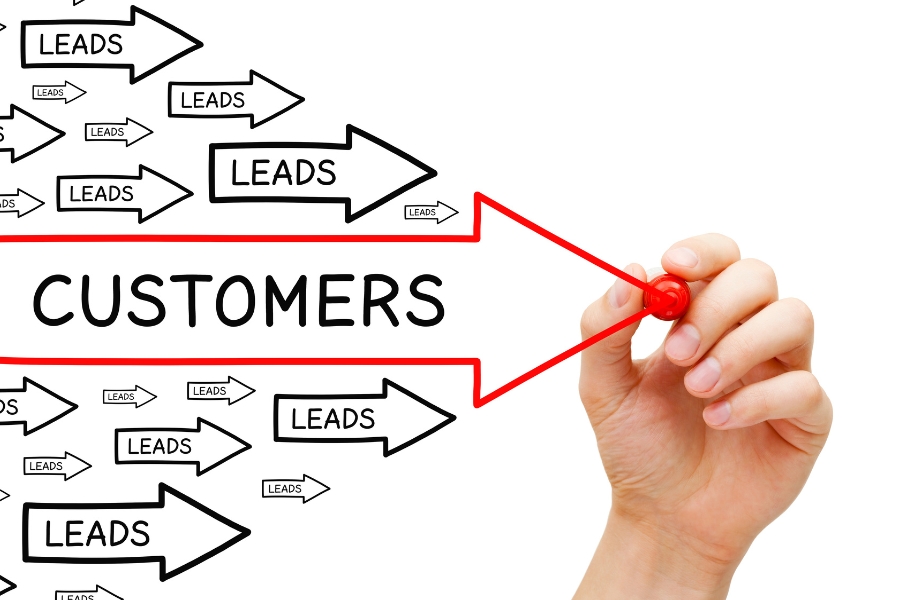
What Does It Mean to Drive Sales Through Digital Marketing?
Driving sales means guiding potential customers through every stage of the buying journey until they make a purchase.
This journey usually follows these steps:
Awareness
Customers first discover your business through:
- Google Search
- Social media
- Online advertisements
- Blog posts
- Videos
- Local business listings
At this stage, they may not be ready to buy, but they become aware of your brand.
Interest
Once visitors reach your website, they begin learning more about your business.
They explore:
- Services
- Products
- Pricing
- Reviews
- Portfolio
- Case studies
- Frequently asked questions
Good content keeps visitors engaged and encourages them to continue exploring.
Consideration
Now customers compare your business with competitors.
They’re asking questions like:
- Why should I choose this company?
- Are they experienced?
- Do they have positive reviews?
- Can they solve my problem?
Your website should answer these questions clearly.
Decision
When customers trust your business, they’re ready to take action.
This might include:
- Booking a consultation
- Calling your office
- Requesting a quote
- Purchasing a product
- Filling out a contact form
Every part of your digital marketing strategy should encourage visitors to move naturally from one stage to the next.
The Digital Marketing Channels That Generate the Most Revenue
Not every marketing channel works the same way. The best strategy combines multiple channels that support each other.
Search Engine Optimization (SEO)
SEO is one of the most cost-effective long-term marketing strategies.
Instead of paying for every click, SEO helps your website appear organically in Google search results.
For example, if someone searches:
- Digital marketing agency
- Website design services
- Local SEO company
- PPC management
A properly optimized website has a much better chance of appearing in search results.
The biggest advantage of SEO is that visitors are already looking for solutions. This means they’re more likely to become customers.
Benefits include:
- Consistent organic traffic
- Better search visibility
- Higher trust
- Lower customer acquisition costs
- Long-term lead generation
Although SEO takes time, it often delivers one of the highest returns on investment.
Pay-Per-Click (PPC) Advertising
Paid advertising provides immediate visibility.
Platforms like Google Ads and Microsoft Ads allow businesses to appear at the top of search results almost instantly.
Unlike SEO, which builds gradually, PPC starts generating traffic as soon as campaigns launch.
PPC works particularly well for:
- New businesses
- Seasonal promotions
- Product launches
- High-value services
- Local lead generation
The key to success is targeting the right audience instead of simply increasing your advertising budget.
Well-managed PPC campaigns continuously improve through testing keywords, headlines, landing pages, and bidding strategies.
Social Media Marketing
Social media is much more than posting photos.
It allows businesses to:
- Build relationships
- Increase brand awareness
- Showcase expertise
- Engage with customers
- Promote offers
- Share success stories
Customers often visit a company’s social media profiles before making a purchase.
An active profile demonstrates that your business is professional, trustworthy, and responsive.
Popular platforms include:
Each platform serves a different audience, so businesses should focus on where their ideal customers spend time.
Content Marketing
Content marketing helps businesses educate customers instead of constantly selling to them.
Helpful content builds authority and earns trust naturally.
Examples include:
- Blog articles
- Buying guides
- Videos
- Tutorials
- Infographics
- Case studies
- Industry insights
When people consistently find valuable information from your business, they’re far more likely to choose you when they’re ready to buy.
Content also supports SEO by helping your website rank for more keywords.
One well-written article can generate traffic and leads for years.
Email Marketing
Many businesses underestimate email marketing, yet it consistently delivers one of the highest returns on investment.
Not every visitor buys during their first visit.
Email allows businesses to stay connected through:
- Welcome emails
- Educational content
- Promotions
- Product recommendations
- Customer updates
- Follow-up sequences
Instead of losing potential customers, email keeps your business top of mind until they’re ready to make a decision.
Businesses that nurture leads through email often see higher conversion rates than businesses that only rely on website traffic.
How Your Website Converts Visitors into Customers
Generating traffic is only half the equation.
If visitors leave without taking action, your marketing investment produces little return.
An effective website should guide visitors toward a clear goal.
That could be:
- Requesting a quote
- Booking an appointment
- Scheduling a consultation
- Purchasing a product
- Calling your business
Every page should make the next step obvious.
Successful websites usually include:
A Clear Value Proposition
Visitors should immediately understand:
- What you offer
- Who you help
- Why they should choose you
Confusing messaging causes people to leave quickly.
Strong Calls to Action
Buttons should encourage action with clear language like:
- Get a Free Quote
- Schedule a Consultation
- Contact Our Team
- Start Your Project
Avoid making visitors search for your contact information.
Fast Loading Speed
Website speed directly affects conversions.
Even a delay of a few seconds can increase bounce rates and reduce sales.
Optimizing images, improving hosting, and reducing unnecessary scripts can significantly improve performance.
Mobile-Friendly Design
Most users now browse on smartphones.
If your website is difficult to navigate on mobile devices, you’re likely losing potential customers before they ever contact your business.
A responsive design ensures visitors enjoy a smooth experience regardless of screen size.
Build Trust Before Asking for the Sale
People buy from businesses they trust.
Your website should include trust-building elements such as:
- Customer testimonials
- Online reviews
- Case studies
- Certifications
- Awards
- Portfolio examples
- Years of experience
These elements reassure visitors that your business delivers real results.
When trust increases, conversion rates often improve naturally.
How Content Marketing Helps Increase Sales
Content marketing is one of the most effective ways to attract potential customers without constantly relying on paid advertising. Instead of directly promoting your products or services, you provide useful information that answers common questions, solves problems, and helps people make informed decisions.
When someone searches Google for information related to your industry, helpful content gives your business an opportunity to appear in search results before the customer is ready to buy. Over time, this builds familiarity and trust, making your business the first choice when they’re ready to take action.
Effective content marketing can include:
- Educational blog posts
- How-to guides
- Industry news and insights
- Customer success stories
- Video tutorials
- FAQs
- Downloadable resources
The more valuable your content is, the more likely visitors are to return to your website, share your articles, and recommend your business to others.
Unlike paid advertising, quality content continues to generate traffic for months or even years after it’s published, making it one of the best long-term investments for business growth.

Why Local SEO Is Important for Businesses
If your business serves customers in a specific city or region, Local SEO should be a major part of your digital marketing strategy.
Many people search using location-based terms such as:
- Digital marketing agency near me
- Website designer in Virginia
- Best plumber near me
- Local dentist
- HVAC company nearby
When your business appears in local search results, you’re reaching customers who are actively looking for your services.
A strong Local SEO strategy includes:
- Optimizing your Google Business Profile
- Using location-specific keywords
- Collecting customer reviews
- Building local citations
- Creating service area pages
- Maintaining accurate business information across the web
Local SEO often produces highly qualified leads because people searching locally usually need a solution immediately.
How Email Marketing Turns Leads Into Customers
Many visitors leave a website without making a purchase or contacting the business. That doesn’t necessarily mean they’re not interested—they may simply need more time to make a decision.
Email marketing helps you stay connected with those potential customers.
Instead of sending only promotional messages, businesses should focus on providing value. A well-planned email sequence can educate prospects, answer common questions, share customer success stories, and introduce special offers at the right time.
For example, a simple lead nurturing sequence might include:
- A welcome email thanking the subscriber
- Helpful tips related to your products or services
- Answers to frequently asked questions
- Customer testimonials or case studies
- A reminder to book a consultation or request a quote
Consistent and relevant communication builds trust and keeps your business top of mind. When the customer is ready to make a purchase, they’re more likely to choose the company they’ve been hearing from.
The Role of Social Media in Revenue Growth
Many businesses think social media should generate immediate sales. While direct sales can happen, social media is more effective as a relationship-building tool.
Customers often visit a company’s Facebook, Instagram, LinkedIn, or other social platforms before making a buying decision. An active presence shows that your business is engaged, professional, and trustworthy.
Social media allows you to:
- Share company updates
- Highlight customer success stories
- Promote blog content
- Showcase completed projects
- Answer customer questions
- Build brand recognition
- Engage with your audience through comments and messages
Over time, these interactions create familiarity. People are more likely to purchase from a business they recognize and trust than from one they’ve never seen before.
Why Analytics Matter in Digital Marketing
One of the biggest advantages of digital marketing is the ability to measure almost everything.
Unlike traditional advertising, digital marketing provides detailed insights into how your campaigns are performing.
Some important metrics to monitor include:
- Website traffic
- Conversion rate
- Cost per lead
- Cost per acquisition
- Click-through rate (CTR)
- Bounce rate
- Time spent on pages
- Return on ad spend (ROAS)
- Customer acquisition cost (CAC)
Reviewing these metrics regularly helps you identify what’s working and where improvements are needed.
For example, if a blog attracts thousands of visitors but generates very few inquiries, you may need stronger calls to action. If a paid advertising campaign produces many clicks but few conversions, your landing page may need optimization.
Making decisions based on real data allows businesses to improve results while making better use of their marketing budget.
Common Digital Marketing Mistakes That Hurt Sales
Even businesses that invest in digital marketing sometimes struggle because of avoidable mistakes.
Some of the most common include:
Trying to Be Everywhere
Not every platform is right for every business. Focus on the channels where your target audience spends the most time instead of trying to manage every social media platform.
Ignoring SEO
Without search engine optimization, your website becomes difficult for potential customers to find. Publishing useful, optimized content consistently helps improve your visibility over time.
Poor Website Experience
Slow loading times, confusing navigation, broken links, or outdated designs can drive visitors away before they contact you.
Weak Calls to Action
Visitors should never wonder what to do next. Every important page should clearly encourage them to request a quote, schedule a consultation, or contact your team.
Inconsistent Marketing
Publishing content or running campaigns only occasionally makes it difficult to build momentum. Consistency is one of the biggest factors behind long-term success.
Not Tracking Performance
Without analytics, it’s impossible to know which strategies are generating leads and which ones are wasting your budget.
How Much Should a Business Invest in Digital Marketing?
There’s no universal budget that works for every business. The right investment depends on your goals, industry, competition, and stage of growth.
Many growing businesses dedicate around 5% to 10% of their annual revenue to marketing, while companies focused on aggressive expansion may invest more.
Rather than spending heavily across every channel, it’s often more effective to start with a few high-impact strategies and expand as you see results.
For example:
- A local service business may prioritize Local SEO, Google Business Profile optimization, and Google Ads.
- An eCommerce store may focus on paid social advertising, email marketing, and conversion optimization.
- A B2B company may benefit from SEO, LinkedIn marketing, educational blog content, and email campaigns.
Regularly reviewing performance ensures your budget is invested in the channels that deliver the best return.
Building a Long-Term Digital Marketing Strategy
Successful digital marketing isn’t about finding a single tactic that works overnight. It’s about creating a system that consistently attracts visitors, builds trust, and converts prospects into loyal customers.
A strong strategy typically includes:
- A fast, user-friendly website
- Search engine optimization for long-term visibility
- Paid advertising for immediate lead generation
- Helpful content that answers customer questions
- Email campaigns that nurture leads
- Social media engagement to build brand awareness
- Regular performance analysis and optimization
Each channel supports the others, creating a marketing system that continues to improve over time.
Businesses that stay consistent with their marketing efforts often see stronger, more sustainable growth than those constantly switching strategies.
Conclusion
Digital marketing is one of the most effective ways to increase sales and grow revenue because it helps you reach the right audience, build trust, and turn interested visitors into loyal customers. Whether you’re a local business, an online retailer, or a growing company, a well-planned digital marketing strategy can generate qualified leads, improve customer engagement, and create long-term business growth.
The key is to focus on the right mix of SEO, content marketing, paid advertising, email marketing, social media, and website optimization rather than relying on a single channel. Consistent effort, regular performance tracking, and continuous improvement will deliver better results over time.
If you’re ready to grow your business with a results-driven digital marketing strategy, Pixel This Marketing is here to help. Our team creates customized marketing solutions designed to increase visibility, generate qualified leads, and improve your return on investment. Whether you need SEO, website design, PPC advertising, social media marketing, or a complete digital marketing strategy, we’re ready to help your business achieve measurable growth.
Contact Pixel This Marketing today to discuss your goals and discover how the right digital marketing strategy can help your business generate more leads, increase sales, and build long-term success.
Frequently Asked Questions
1. How long does digital marketing take to generate sales?
The timeline depends on the strategy you use. Paid advertising can start generating leads within a few days, while SEO and content marketing typically take several months to build momentum. Combining both short-term and long-term strategies often delivers the best results.
2. Which digital marketing strategy provides the highest return on investment?
There’s no single strategy that works for every business. SEO, email marketing, and conversion optimization generally provide excellent long-term ROI, while PPC advertising can generate faster results when managed effectively.
3. Can small businesses compete with larger companies through digital marketing?
Yes. Small businesses can compete successfully by targeting local customers, focusing on niche markets, creating valuable content, and optimizing their online presence. A smart strategy often outperforms a larger budget.
4. Why should I hire a digital marketing agency instead of managing marketing myself?
A professional agency brings expertise, industry tools, and proven strategies that can save time and improve results. Agencies also monitor campaign performance, optimize marketing efforts, and help businesses avoid costly mistakes, allowing business owners to focus on serving their customers.


