
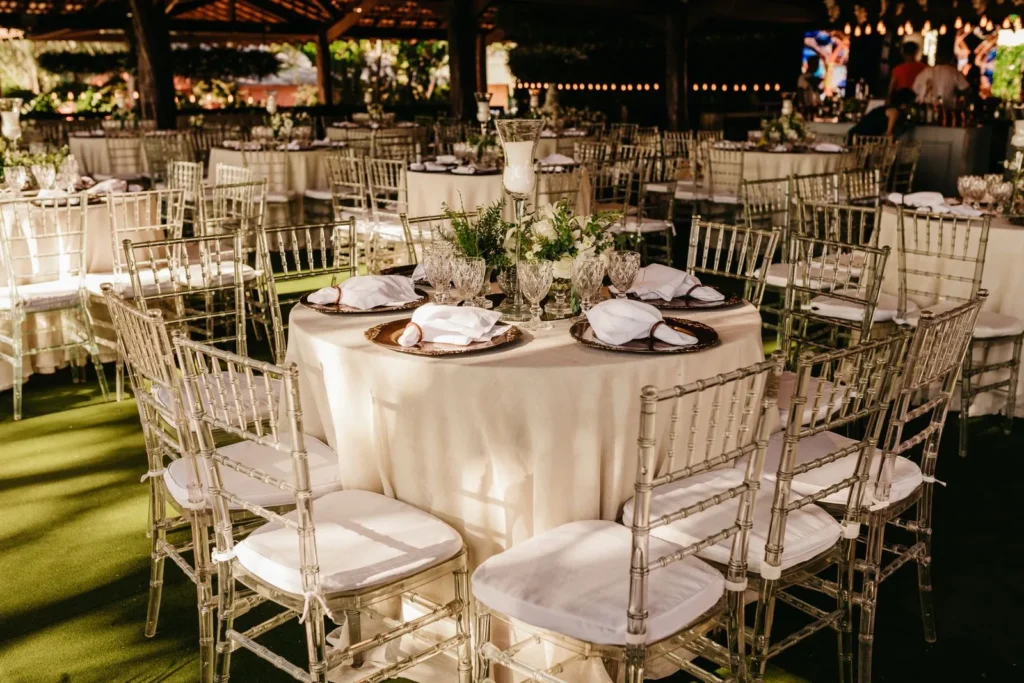
Couples planning a wedding in the DMV have a lot of choices: Loudoun and Fauquier wineries and farms, historic estates, downtown DC hotels and lofts, Maryland barns and waterfront spaces. Most of them start the search on Google and Instagram, shortlist a handful of venues in an evening, and book tours only with the ones that answer their real questions fast: price range, capacity, available dates, alcohol rules, and what happens if it rains.
This guide gives DMV wedding and event venues 10 practical wedding venue marketing ideas: how to build pages that answer those questions, how to use Virginia and Maryland rules (alcohol service, marriage licenses, farm winery events) as helpful content, how to set up Google Business Profile for a venue, how to work with Visit Loudoun and other planners, and how to measure which channels actually book dates.
Why wedding venue marketing in the DMV is different
Alcohol service is regulated, and couples ask about it first. Virginia’s retail license law (Va. Code 4.1-206.3) creates mixed beverage caterer’s licenses for businesses that regularly provide food and drink at private gatherings and special events, and banquet licenses for people in charge of private banquets. A separate banquet license is required for each day of each banquet, an outdoor application can name an alternative location for bad weather, and hotels, restaurants and clubs that already hold a retail wine and beer license don’t need one. Your marketing should explain clearly how bar service works at your venue.
Farm winery events have special protection in Virginia. Va. Code 15.2-2288.3 says local restrictions on licensed farm wineries’ activities and events must be reasonable, that usual and customary activities and events are permitted without local regulation unless there is a substantial impact on public health, safety or welfare, and that localities must consider neighbors when authorizing outdoor amplified music. Winery venues should know where they stand before promising late-night outdoor bands.
Marriage license rules differ across the river. In Virginia, a marriage license is valid for only 60 days from issuance (Va. Code 20-14.1). In Maryland, the license is issued by the clerk for the county where the ceremony will take place and is not effective until 6 a.m. on the second calendar day after it is issued (Md. Family Law 2-405). Out-of-town couples don’t know this; a venue that tells them earns trust.
Tourism offices actively send couples to venues. Visit Loudoun’s weddings page says its team helps couples find a venue at no charge and runs the Love Loudoun Wedding Showcase, scheduled for March 7, 2027 at Lansdowne Resort.
1. Put pricing, capacity and dates where couples can see them
The biggest reason couples skip a venue is not knowing whether it fits their budget and guest count. You don’t have to publish every number, but your site should answer the first-round questions without a phone call:
- Seated and standing capacity for each space (ceremony, cocktail hour, reception).
- A starting price or price range by season and day of week, and what it includes.
- Peak and off-peak dates, and an “open dates” note updated monthly.
- Catering rules: in-house, preferred list or bring your own licensed caterer.
- Rain plan, parking, accessibility, end time and sound rules.
Measure: tour requests per 100 site visitors before and after you add this information. If your site makes updates hard, our website design team builds venue pages that are easy to keep current.
2. Write a clear “alcohol and bar service” page
Couples, planners and caterers all ask the same thing: who can serve, and what licenses are needed? Use Va. Code 4.1-206.3 as your guide for Virginia venues and explain, in plain words, which of these applies at your property:
| Setup at your venue | What the Virginia law describes | What to say on your site |
|---|---|---|
| Outside caterer serves the bar | Mixed beverage caterer’s license for businesses regularly providing food and beverages at private gatherings and special events | “Bar service must be provided by a licensed caterer. Ask for our preferred list.” |
| Couple or host provides beer and wine | Banquet license for the person in charge of a private banquet; separate license for each day; outdoor applications can name a rain location | “If you plan to provide beer and wine yourselves, you’ll need the right license from Virginia ABC for your date. We’ll share our rain location for the application.” |
| Venue is a hotel, restaurant or club with a retail wine and beer license | No banquet license required for that licensee | “Our team handles bar service under our own license.” |
Keep this page factual, link the code section, and tell couples to confirm their situation with Virginia ABC. For Maryland and DC venues, link the county liquor board or DC regulator your couples actually deal with rather than guessing.
A related note for your Google profile: Google’s Business Profile guidelines don’t allow regulated products such as alcohol in the product catalog. List your venue packages there, not bar packages.
3. Set up Google Business Profile like a venue, not a tour company
Your Google Business Profile is often the first thing couples see when they search “wedding venues near me.” Follow Google’s guidelines:
- Use your real-world venue name and exact address. Google says businesses showing an address should have permanent fixed signage with the business name there.
- List your real customer-facing hours (tour and office hours). Google allows seasonal hours as regular hours and special hours for holidays and events.
- Upload photos of every space in different seasons and at night, plus a floor plan graphic.
- Post monthly: open dates, tour days, recent styled shoots and vendor features.
Then link the profile from your website and ask every booked couple for an honest review after their event (see idea 8).
4. Build one page per event type you want to book
“Wedding venue” is only one search. DMV couples and planners also search for rehearsal dinner spaces, bridal shower venues, elopement packages, corporate retreats and holiday party spaces. Visit Loudoun’s weddings page groups engagements, bridal showers, bachelor parties and rehearsal dinners as part of the same celebration, which is a good model.
Create a page for each event type you actually host, with the right space, capacity, sample timeline and starting price for that event. Weekday and off-season events fill your calendar’s gaps; give them their own pages and their own offers.
5. Answer the destination-couple questions nobody else does
Couples flying in from out of state often don’t know the local rules. Add a “Getting married here” guide to your site:
- Virginia venues: the marriage license is valid for 60 days from issuance (Va. Code 20-14.1), so tell couples not to get it too early.
- Maryland venues: the license comes from the clerk for the county where the ceremony will take place and becomes effective at 6 a.m. on the second calendar day after issuance (Md. Family Law 2-405), so plan the trip around it.
- Airport distance, hotel blocks nearby and shuttle options for your venue.
Link to the official court clerk page for your county and add a “last updated” date. This kind of page earns links from planners and gets bookmarked by couples, and it ranks for searches competitors ignore.
6. Work with your tourism office and local showcases
Tourism offices already talk to couples. Visit Loudoun says its team helps couples find a venue at no charge and offers free visitors guides for guests. If you’re a Loudoun venue, contact them about how venues are featured, and plan ahead for the Love Loudoun Wedding Showcase on March 7, 2027 at Lansdowne Resort.
Venues in other counties should check their own tourism office and chamber for similar listings and events. Measure each show or listing with a unique landing page or tour-booking link so you know which ones produced tours, not just booth traffic.
7. Make Instagram, Pinterest and video do the selling
Couples decide with their eyes. Plan content by season and by space:
- Short walk-through videos of each space, filmed at the time of day ceremonies happen.
- Real weddings with the couple’s written permission, tagging the photographer, planner and florist (and asking them to tag you back).
- Setup comparisons: the same room set for 80 and for 200 guests.
- Rain-plan content: show your indoor backup looking great. It answers the question every outdoor couple worries about.
Our social media marketing team runs content calendars and paid social for local businesses across the DMV.
8. Collect reviews and vendor endorsements the right way
Reviews matter more for a once-in-a-lifetime purchase. Ask every couple after the event, and ask planners and vendors you work with to share honest feedback too. Don’t offer discounts for positive reviews, don’t ask only the happiest couples, and don’t write reviews for anyone. The FTC’s reviews rule and Google’s policy are summarized in our cleaning business marketing guide; the same rules apply to venues. For more, see how to get more 5-star Google reviews.
9. Build a referral network with wedding vendors
Planners, photographers, florists, caterers and hair and makeup artists meet couples before and after they choose a venue. Make it easy for them to recommend you:
- A vendor page on your site listing preferred vendors, with links to them.
- A one-page “venue facts for vendors” PDF: load-in times, power, parking, kitchen access and rules.
- Styled shoot days a few times a year, with photos shared with every vendor who takes part.
Bridal beauty is a natural partner: our salon marketing guide covers how DMV salons market bridal and event work. Restaurants with private rooms compete and partner for rehearsal dinners; see our restaurant marketing ideas.
10. Run search ads for the dates you need to fill
Search ads work best for venues when they target open dates and specific event types, not “wedding venue” in general:
- Campaigns for off-peak and weekday weddings, small weddings and elopements, with the starting price in the ad.
- Event-type campaigns (rehearsal dinner, holiday party, corporate retreat) sent to the matching page from idea 4.
- Location targeting on the areas your couples come from, including DC and the Maryland suburbs for Virginia venues.
- Remarketing to people who viewed your pricing page but didn’t book a tour.
Measure cost per tour booked and per contract signed. Our Google Ads services set up this tracking from day one.
How to budget and measure venue marketing
A venue sells a limited number of dates, so measure by booked dates and revenue per date:
- List your open dates for the next 12–18 months and mark which ones are hardest to sell.
- Track every lead source from inquiry to tour to signed contract (a simple spreadsheet or CRM works).
- Calculate cost per booked date for each channel: ads, listings, showcases and social.
- Move budget toward the channels that fill your hardest dates, not just the most inquiries.
Worked example (illustrative numbers): if a showcase booth and its follow-up cost $2,500 and produce 20 tours and 3 signed contracts, the cost is $833 per booked date. If search ads cost $1,800 over the same period and produce 12 tours and 2 contracts, that’s $900 per booked date. If the ad bookings were off-peak Fridays you couldn’t sell otherwise, they may still be the better investment.
Want more tours and booked dates?
Pixel This Marketing is a Northern Virginia digital marketing agency with offices in Sterling and Ashburn. We help wedding and event venues across Loudoun, Fairfax, DC and Maryland build venue websites that answer couples’ questions, run Google Ads for the dates you need to fill, and turn great photos into steady social content.
Get a custom marketing proposal or book a free consultation to talk about your booking calendar.
Frequently Asked Questions
How do I market a wedding venue?
Show couples what they need to decide fast: capacity, starting prices, open dates, catering and bar rules, and a rain plan. Then set up an accurate Google Business Profile, post real weddings and walk-through videos, build a vendor referral network, collect honest reviews and run search ads for the dates you most need to fill.
Can couples bring their own alcohol to a Virginia wedding venue?
It depends on the venue and the license. Virginia law (Va. Code 4.1-206.3) provides banquet licenses for people in charge of private banquets, with a separate license for each day, and caterer’s licenses for businesses that serve food and drinks at private events. Venues should explain their rules clearly and tell couples to confirm with Virginia ABC.
How long is a Virginia marriage license valid?
Under Va. Code 20-14.1, a Virginia marriage license is valid for 60 days from the date it is issued. If the wedding doesn’t happen within that time, the license expires and the couple needs a new one.
Is there a waiting period for a marriage license in Maryland?
Yes. Under Maryland Family Law 2-405, the license is issued by the clerk for the county where the ceremony will be performed and is not effective until 6 a.m. on the second calendar day after it is issued, unless a judge authorizes an earlier time for specific reasons.
How can DMV wedding venues reach more couples without paying for ads?
Start with your Google Business Profile and your county tourism office. Visit Loudoun, for example, says its team helps couples find a venue at no charge and runs the Love Loudoun Wedding Showcase. Ask your own tourism office how local venues are featured.
Last updated November 18, 2026